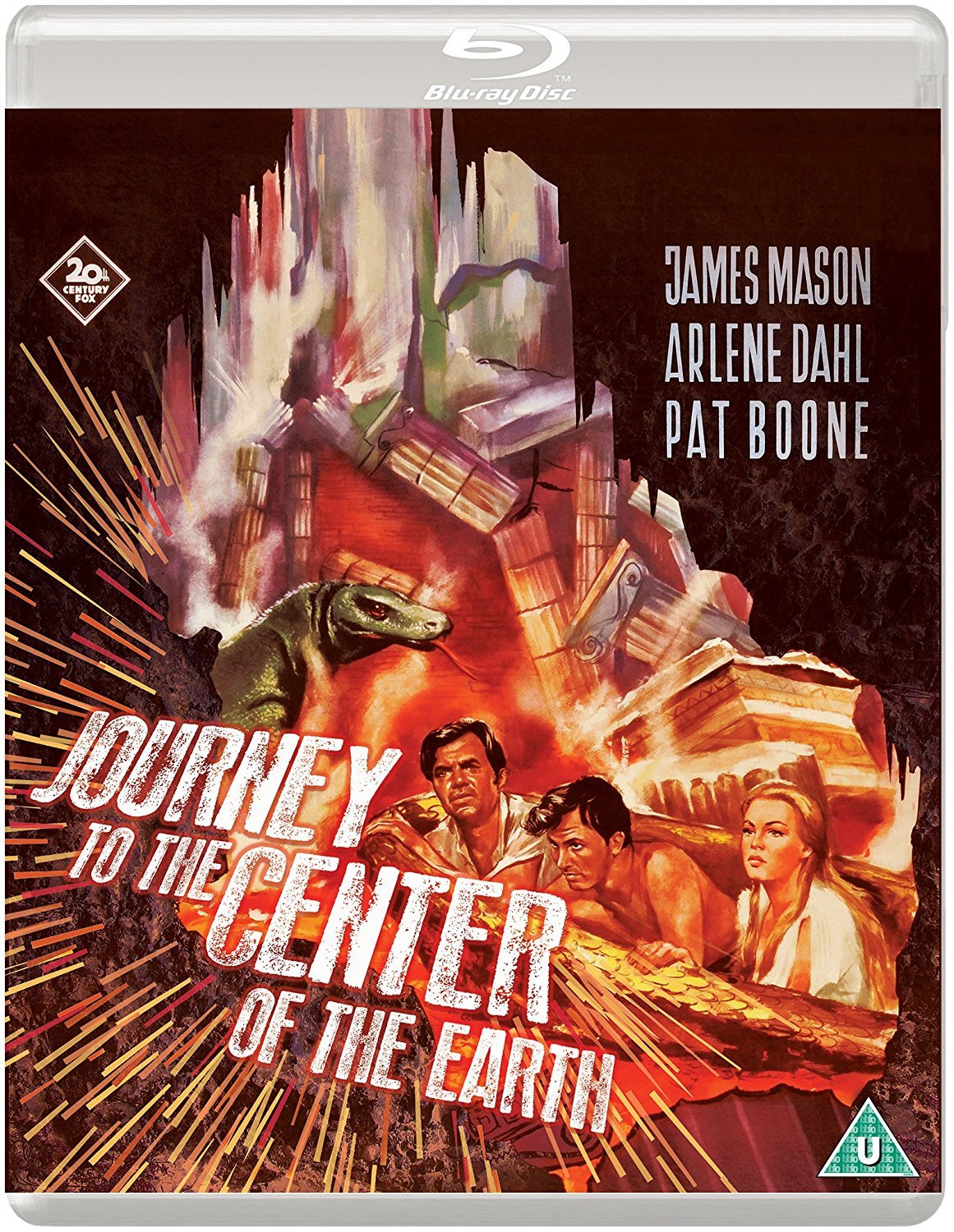
Long before CGI dominated the silver screen, there was a film that dared to take audiences on an impossible journey to the very core of our planet. "Journey to the Center of the Earth" (1959) isn't just a movie; it's a foundational piece of cinematic adventure, a testament to mid-century spectacle, and a thrilling adaptation of Jules Verne's groundbreaking novel. Directed by Henry Levin and starring the iconic James Mason, Pat Boone, and Arlene Dahl, this film captured imaginations with its blend of scientific curiosity, daring exploration, and a touch of the unknown.
Decades later, its vibrant colors, memorable characters, and innovative special effects continue to captivate new generations. It’s more than just a trip through subterranean caverns; it’s an exploration of human ambition, courage, and the enduring allure of discovery. As we delve into the depths of this classic, we invite you to uncover the layers that make "Journey to the Center of the Earth 1959" an unforgettable experience.
A Timeless Descent into Adventure: Understanding the Core Narrative
The story begins with Professor Oliver Lindenbrook, an Edinburgh geologist, who discovers a cryptic message within a volcanic rock. This message, left by an Icelandic scientist from centuries past, provides a map to the Earth's core via the dormant volcano Snæfellsjökull. What follows is a perilous expedition fraught with natural dangers, a rival expedition, and breathtaking discoveries that challenge the very fabric of known science. It’s a narrative rich with suspense and wonder, propelling its unlikely heroes deeper and deeper into a world unseen.
To truly appreciate the intricate weaving of suspense, scientific marvels, and dramatic encounters that define this classic adventure, we recommend you Read the full plot summary Explore and immerse yourself in every twist and turn.
Unforgettable Faces and Stellar Portrayals: The Heart of the Expedition
Much of the film's lasting appeal stems from its incredible cast and their committed performances. James Mason’s portrayal of Professor Lindenbrook anchors the film with gravitas and intellectual passion, while Pat Boone brings a youthful, optimistic energy as Alec McEwan. Arlene Dahl shines as Carla Goetaborg, a strong and resourceful woman who defies the typical damsel-in-distress trope of the era. These actors, alongside Diane Baker and the unforgettable Gert Fröbe as the menacing Count Saknussemm, create a dynamic ensemble that makes the journey feel incredibly real and deeply personal. Their chemistry and individual strengths are crucial to the film's emotional resonance.
Understanding how these talented individuals brought their characters to life, making them iconic figures in adventure cinema, is vital. You can learn more about the stars, their unforgettable roles, and the impact of their portrayals when you Explore 1959 film cast and roles.
Crafting the Underground World: Behind the Scenes of a Classic Spectacle
Bringing Jules Verne's fantastical subterranean world to life in 1959 was an immense undertaking, especially without the advanced digital tools available today. The film relied on ingenious practical effects, impressive matte paintings, and elaborate set designs to create its dazzling caverns, crystal formations, and prehistoric creatures. Filmed across various stunning locations, including Carlsbad Caverns in New Mexico and the iconic sets of 20th Century Fox, the production team faced unique challenges in recreating an entire world beneath our feet. Bernard Herrmann’s unforgettable score further elevated the sense of wonder and danger, becoming synonymous with the film itself.
For those fascinated by the magic of filmmaking and the ingenious techniques employed to create such an immersive world in the pre-CGI era, our detailed guide on Production, Filming Locations & Special dives deep into the technical marvels and creative decisions that shaped this cinematic masterpiece.
The Verdict from the Surface: How Audiences and Critics Embraced the Journey
Upon its release, "Journey to the Center of the Earth" was a significant box office success and received largely positive reviews. Critics lauded its ambitious scale, breathtaking visuals, and the engaging performances of its cast. Audiences, too, were swept away by the grand adventure, solidifying its place as a beloved family classic and a landmark in science fiction adventure cinema. Its enduring popularity speaks volumes about its timeless appeal, proving that a compelling story and well-executed spectacle can stand the test of time. It continues to be celebrated for its charm, pioneering spirit, and sheer entertainment value, even decades later.
To gain a comprehensive understanding of how the film was received by both the public and critics, from its initial release to its lasting legacy, be sure to delve into our analysis of Critical Reception & Audience Reviews.
From Page to Screen: Decoding the Adaptation's Artistic Choices
Jules Verne's original 1864 novel is a cornerstone of science fiction, filled with intricate scientific detail and a spirit of pure discovery. The 1959 film, while retaining the core premise and adventurous spirit, took certain liberties in its adaptation, a common practice when translating complex literature to the screen. These changes often involved streamlining plot points, enhancing romantic subplots, and adjusting character dynamics to better suit the cinematic medium and contemporary audience expectations. Understanding these shifts provides a fascinating insight into the art of adaptation and the creative decisions made by screenwriters Charles Brackett and Walter Reisch.
Curious about how the film honored, yet diverged from, its literary origins? To fully appreciate the creative choices made during the adaptation process, we invite you to Explore book vs. film differences Compare and discover the nuances between Verne's vision and the cinematic interpretation.
This iconic film continues to resonate because it taps into a fundamental human desire for exploration, discovery, and confronting the unknown. It reminds us that even with all our technological advancements, there's still magic in the world, waiting to be found, and stories like this inspire us to keep searching. "Journey to the Center of the Earth 1959" isn't just a trip into the Earth; it's a timeless voyage into the heart of adventure itself.